July 23, 2026
The physical workspace of a modern business is far more than a mere container for daily corporate activities; it is a direct reflection of a company's culture, operational efficiency, and overall brand identity. From the highly specialized clinical layouts required by modern healthcare and veterinary facilities to the energetic, inviting environments of athletic gyms, restaurants, and retail spaces, the interior build-out directly shapes how employees perform and how customers perceive a brand's value.
When companies invest in updating their physical locations, they must focus heavily on the flawless physical execution of their vision. Relying on a detail-driven team that can take sophisticated, pre-existing blueprints and build them to exact specifications is crucial for turning conceptual designs into highly functional realities. In a highly competitive business landscape, this physical transformation relies on professional commercial contracting to bridge the gap between creative architectural concepts and durable, high-performing physical environments that stand the test of time.
Understanding Interior Commercial Contracting
At its core, interior commercial contracting represents the professional execution, construction management, and physical realization of indoor business environments. This specialized field focuses entirely on taking pre-existing architectural designs and engineering plans and translating them into finished, operational spaces. Rather than handling the initial design and planning phases, dedicated contractors coordinate the technical construction processes, including metal stud framing, drywall installation, acoustic ceiling setups, and intricate finish carpentry. This specialized execution is essential across a vast array of sectors, from high-tech corporate offices undergoing tenant improvements to veterinary clinics requiring durable surfaces.
In addition to physical construction, this discipline involves navigating complex local building codes, structural regulations, and safety standards. Ensuring full compliance with municipal zoning laws and accessibility guidelines is vital for protecting a business from future legal issues or costly structural modifications. Experienced contractors integrate these compliance checks into every phase of the physical build-out, working closely with inspectors and quality control professionals to guarantee that the finished commercial environment is secure and ready to host employees and clients.
Maximizing Business Success Through Project Execution
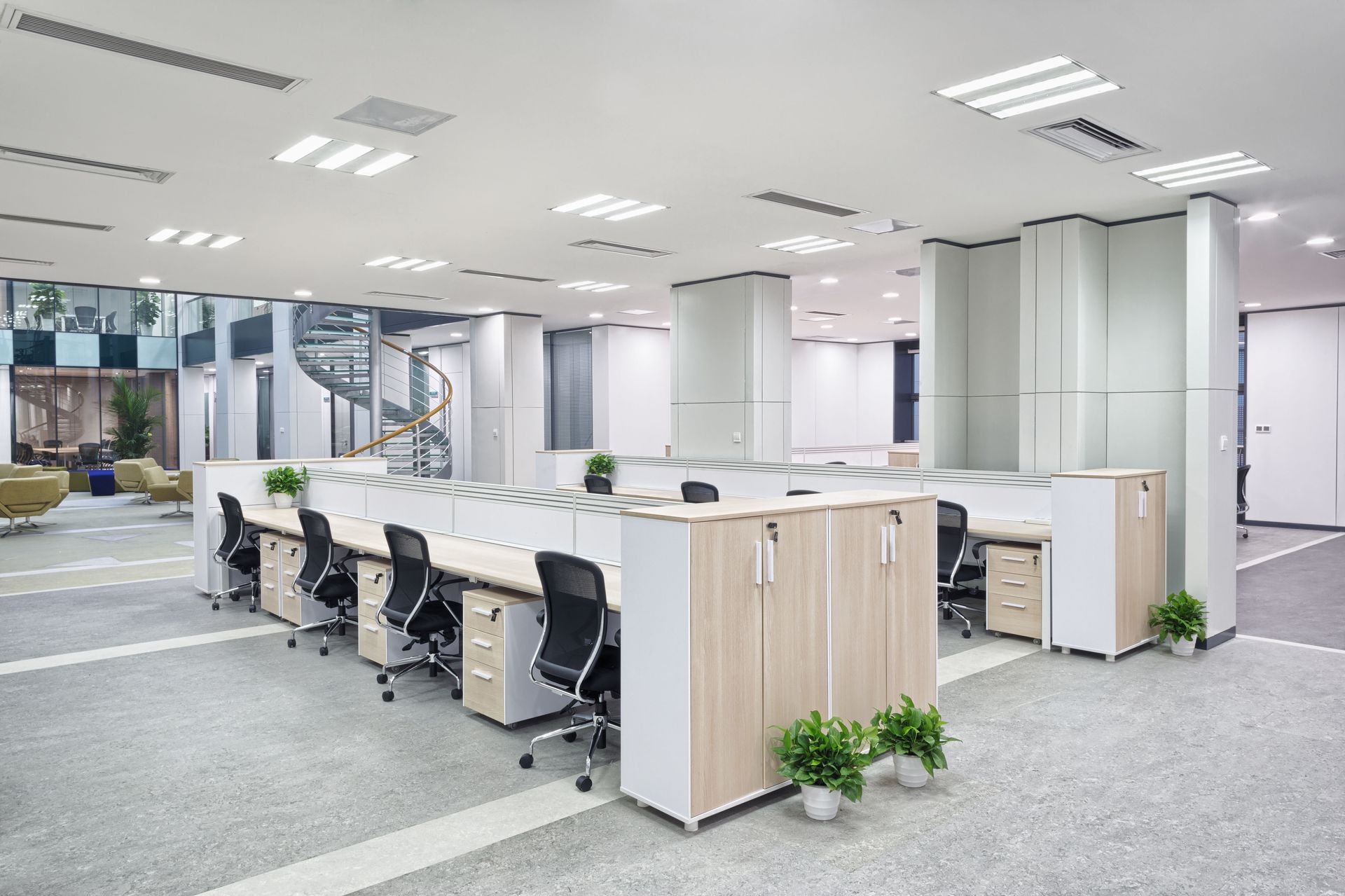
The physical quality of an office, retail store, or medical facility has a profound, measurable impact on employee productivity and retention. A thoughtful physical layout, complete with high-quality finishes, appropriate acoustic buffering, and optimized spatial flow, supports workers' physical comfort and mental focus throughout the workday. The scale of the construction industry highlights the massive demand for these professional environments. Indeed, according to Innowave Studio, about 67,800 commercial building construction firms operated within the United States in 2025, emphasizing how essential high-quality physical workspaces are to the broader national business infrastructure and economic growth.
Beyond internal operations, the physical environment serves as a crucial touchpoint for customer experience and brand reinforcement. Utilizing premium interior commercial contracting to build out these spaces ensures that every detail, from the joint compounds to the baseboards, reflects a high standard of professionalism. When a business partners with a contractor focused purely on the pristine execution of pre-existing designs, the resulting space becomes a physical asset that drives client trust, customer loyalty, and long-term brand success.
Selecting the Perfect Construction Partner
Choosing the right partner to execute your business transformation requires a careful assessment of their practical experience and project history. Because commercial builds feature unique technical demands, working with an experienced builder who specializes in diverse commercial sectors, such as multi-family amenities, schools, and medical facilities, is paramount. Reviewing past portfolios and speaking with former clients provides valuable insight into a contractor's capability to deliver high-quality work on time and within budget.
Equally important is selecting a partner that prioritizes absolute transparency, proactive communication, and collaboration. Because general contractors execute pre-existing designs rather than creating them, they must be able to work hand-in-hand with your selected architects and interior designers. A detail-driven contracting partner will maintain open channels of dialogue, ensuring that any discrepancies in the blueprints are addressed collaboratively. This level of cooperation in commercial contracting guarantees that the original design vision is fully respected, keeping the project on track and eliminating friction during the build.
Coordinating the Planning and Detailing Phase
Before a single hammer is swung, a rigorous planning and detailing phase must take place to prepare the pre-existing design for physical construction. Within the realm of professional commercial contracting, this phase involves a thorough review of the architectural blueprints to analyze the material specifications, spatial layouts, and structural requirements. This step is essential for detailing how different materials will transition and verifying that the specified finishes are appropriate for the commercial space's daily wear and tear. By collaborating closely with the client's design team during this preparatory phase, the builder can confirm that all material specifications align with the functional demands of the business.
In addition to material reviews, establishing a precise project schedule and budget is essential for minimizing business disruptions. A well-organized contractor will map out a detailed construction timeline, coordinating the exact sequence of trades and delivery of materials. This level of meticulous scheduling is particularly vital for active commercial spaces, such as operating restaurants or educational facilities, where downtime must be kept to an absolute minimum. By managing these logistical timelines with precision, the contractor ensures a smooth transition from paper to the active site.
Managing Construction and Site Safety
The physical construction phase is where the planned designs finally materialize, requiring constant oversight and precise project management. The general contractor serves as the primary orchestrator on the job site, managing a diverse network of skilled subcontractors, such as drywallers, carpenters, and painters. Ensuring that each phase of the build meets strict quality control guidelines is essential for achieving a flawless finish. By conducting regular site inspections and supervising trade transitions, the project management team guarantees that the physical execution remains completely faithful to the blueprints.
Maintaining a safe and organized job site is another critical responsibility during the physical build-out. Contractors must enforce strict safety protocols, protect workers and visitors, and ensure full compliance with occupational health and safety standards. Clear, consistent communication with the client and designers is also maintained during this active phase, providing regular updates on progress and addressing any field adjustments immediately. This proactive approach to project management and site safety in commercial contracting prevents costly delays, maintains momentum, and ensures an organized path toward completion.
Evaluating Performance and Maintaining Spaces
Once construction is complete, the final walkthrough serves as the definitive evaluation of the project's success. The contractor and client review the completed space together, comparing the physical build-out to the pre-existing architectural designs to ensure absolute precision. Any final details, adjustments, or touch-ups are documented and addressed before the business officially moves in, ensuring that the transition into the new space is completely seamless.
Long-term success also depends on establishing ongoing maintenance and planning for future physical expansions. A commercial facility requires regular care to protect the initial build investment and ensure materials and finishes remain in excellent condition. Maintaining a relationship with your general contractor is highly valuable here, as they can assist with routine inspections, quick touch-ups, and future renovations as your business grows. Incorporating professional commercial contracting into your long-term facility strategy ensures that your commercial interiors continue to support your operational goals and brand identity for years to come.
Transforming your physical commercial space is a significant investment that directly impacts employee performance, customer experience, and brand reputation. By collaborating with a detail-driven team that specializes in the flawless execution of pre-existing architectural plans, you can turn your structural vision into a functional asset. From detailed project management and scheduling to material specifications and rigorous quality control, the execution phase of commercial contracting determines the success of your business transformation.
When you are ready to update your facility, choosing a transparent and collaborative builder will make all the difference. Let us help you bring your physical workspace to life by partnering with the dedicated experts at Metropolitan Contracting LLC today.commercial contracting