November 25, 2026
A well-designed workplace shapes how employees collaborate, focus, and represent your brand to visiting clients. Over time, however, even functional office spaces begin showing signs of wear, outdated layouts, and inefficient building systems that hold teams back from producing their highest-quality work. Planning thoughtful commercial improvements allows business owners to modernize daily operations while creating a healthier, more welcoming environment for everyone who walks through the door.
Rather than waiting until aging fixtures or cramped floor plans disrupt productivity, proactive facility upgrades address evolving workplace needs before minor inconveniences become major operational hurdles. Exploring practical renovation strategies helps decision-makers prioritize updates that elevate daily comfort, streamline team workflows, and support sustainable organizational growth over the years ahead.
1. Upgrade Interior Lighting Systems
Outdated fluorescent fixtures often cast harsh glare across computer monitors, contributing to eye strain, headaches, and afternoon fatigue among office staff. Replacing legacy bulbs and flickering ballasts with modern architectural LED fixtures immediately transforms visual comfort throughout workstations, hallways, and conference rooms. Pairing layered ambient lighting with adjustable task lamps gives team members greater control over brightness levels tailored to their specific responsibilities and visual preferences.
Incorporating daylight harvesting sensors and occupancy controls further refines how illumination behaves across different zones of the building. Automated dimming systems adjust indoor light output based on natural sunlight entering through perimeter windows, maintaining steady visibility throughout changing weather conditions while reducing unnecessary energy draw in unoccupied rooms. Strategic lighting upgrades rank among the most impactful commercial improvements for boosting workplace alertness and visual appeal.
2. Reconfigure Collaborative Floor Plans
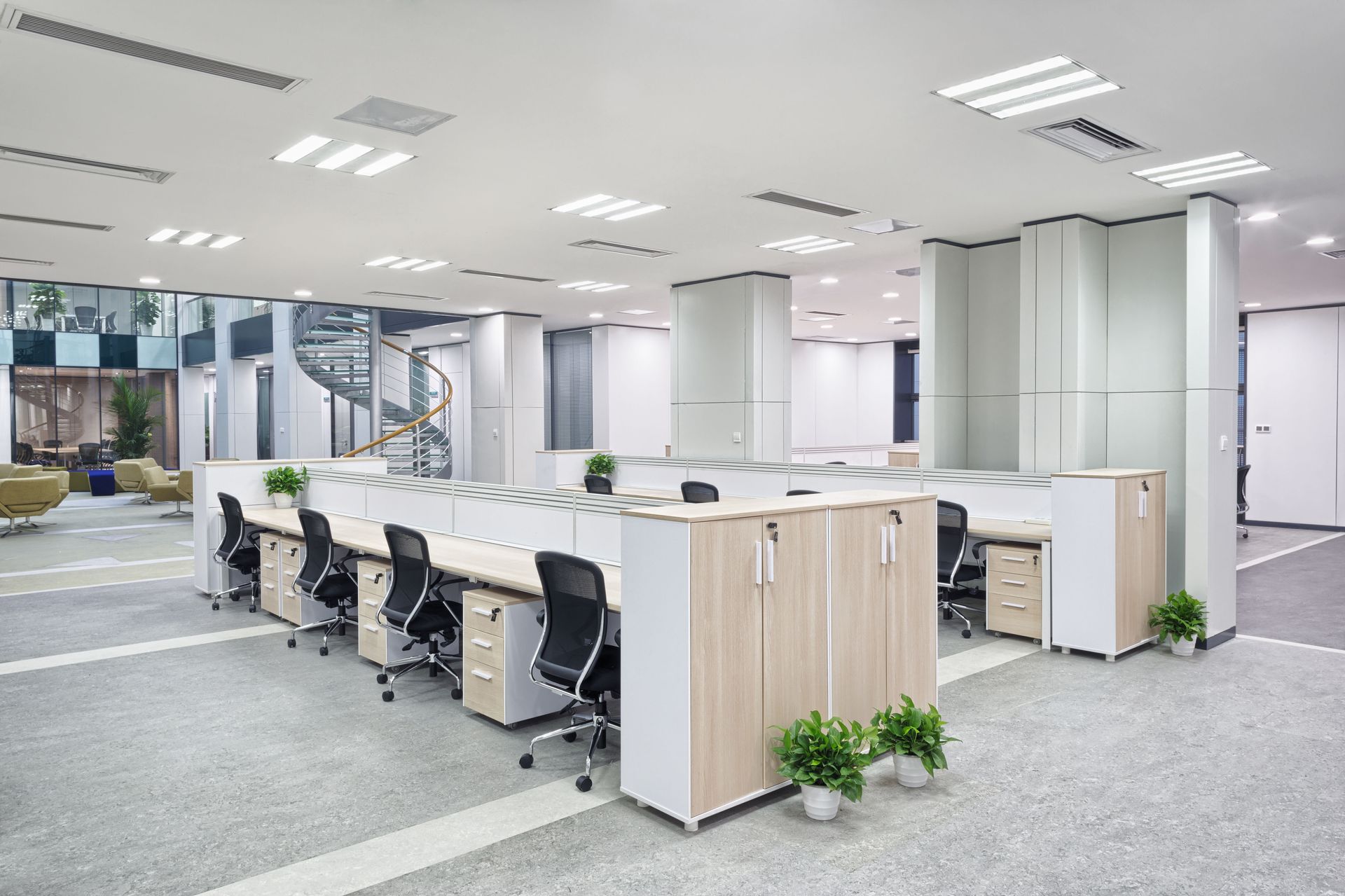
Rigid cubicle rows and isolated private offices frequently create communication bottlenecks when modern teams rely on rapid cross-departmental coordination. Reimagining interior layouts around flexible work zones balances open collaboration areas with quiet focus rooms where employees can handle detailed tasks without distraction. Frameless glass partition walls preserve acoustic separation while allowing natural daylight to travel deep into the core of the floor plate, brightening interior corridors and shared workstations.
Modular furniture systems and demountable wall panels also prepare your office layout for future staffing shifts without requiring repeated structural demolition. Creating dedicated huddle nooks equipped with integrated power outlets, ergonomic seating, and digital display mounts encourages spontaneous brainstorming sessions while keeping primary walkways unobstructed. Thoughtful spatial planning ensures every square foot actively supports how your organization actually operates on a daily basis.
3. Install Acoustic Soundproofing Solutions
Excessive background noise remains a leading source of workplace frustration, particularly in contemporary offices featuring hard drywall surfaces, exposed ceilings, and polished concrete floors. Uncontrolled sound reflection amplifies phone conversations, keyboard clicks, and mechanical hum, making sustained concentration difficult during virtual meetings or complex analytical work. Integrating suspended acoustic ceiling baffles, fabric-wrapped wall panels, and sound-absorbing carpet tiles dramatically reduces reverberation across busy departments.
Extending interior partition walls to the structural deck above the drop ceiling also prevents confidential discussions from carrying between adjacent executive offices and conference suites. Solid-core interior doors fitted with perimeter acoustic seals and automatic door sweeps add another layer of speech privacy for human resources, leadership, and client consultation rooms. When employees can hear clearly and work without constant auditory interruption, overall focus and workplace morale improve noticeably.
4. Modernize Heating and Cooling Infrastructure
Uneven indoor temperatures and stagnant airflow quickly undermine workplace comfort, leaving some employees shivering beneath supply vents while colleagues seated near sunlit windows feel overly warm. According to the Department of Energy, the United States contains 4.7 million commercial buildings across the country, and aging mechanical systems remain a primary driver of indoor comfort complaints and wasted energy. Upgrading outdated rooftop units, leaky ductwork, and manual thermostats stabilizes interior climate control across every season.
Smart zoned HVAC systems divide the office into independent climate sectors governed by programmable occupancy and temperature sensors, ensuring conference rooms and perimeter offices receive balanced airflow throughout the workday. Enhanced filtration media and dedicated fresh-air ventilation intakes also remove airborne dust, seasonal allergens, and stale indoor air. Implementing mechanical commercial improvements creates a noticeably fresher, healthier indoor atmosphere for staff and visitors alike.
5. Enhance Breakroom and Wellness Amenities
Modern workplaces increasingly recognize that sustained employee performance depends heavily on spaces designed for genuine rest and physical recharge during scheduled breaks. Transforming a cramped, utilitarian kitchenette into an inviting break lounge with comfortable seating, durable countertops, abundant natural light, and dedicated hydration stations encourages staff to step away from their desks and reset mentally. Thoughtful cabinetry, quiet commercial appliances, and organized waste stations keep shared dining areas clean and welcoming throughout busy lunch hours.
Beyond the breakroom, adding dedicated wellness rooms for quiet relaxation, nursing mothers, or brief stretches demonstrates tangible care for employee well-being. Ergonomic workstation upgrades, including height-adjustable sit-stand desks and supportive task seating, further reduce physical strain during extended desk sessions. Businesses that prioritize human-centered commercial improvements often enjoy stronger team engagement, higher daily energy levels, and smoother staff retention.
6. Strengthen Security and Access Controls
Protecting employees, sensitive company data, and physical equipment requires modern security infrastructure that operates smoothly without disrupting daily workflows. Replacing traditional brass keys and manual sign-in clipboards with electronic keycard or mobile credential readers allows administrators to manage entry permissions across main entrances, server closets, and restricted storage rooms effortlessly. Automated audit logs also provide clear visibility into facility access outside regular business hours, strengthening accountability across multi-shift teams and external vendors.
Pairing electronic access controls with strategically placed interior and exterior cameras, reinforced entryway glazing, and well-lit parking walkways reinforces physical safety across the entire property. Visitor management kiosks at the front desk streamline guest check-ins while ensuring unescorted visitors cannot wander into restricted operational zones. Incorporating security-focused commercial improvements protects vital business assets while giving staff greater peace of mind every workday.
7. Refresh Reception and Client-Facing Spaces
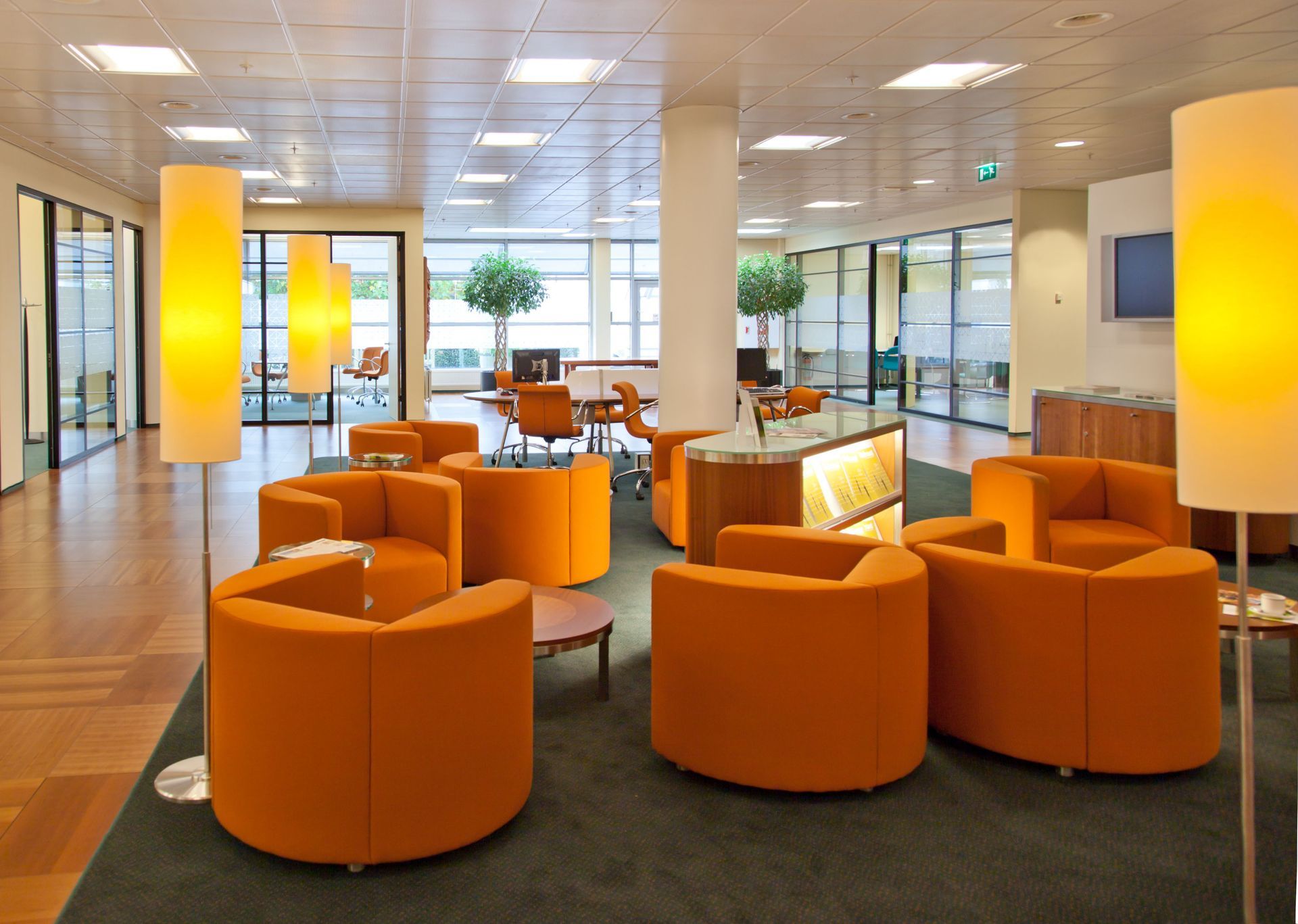
Your reception lobby and primary meeting rooms form immediate impressions the moment clients, partners, or job candidates step inside your building. Worn flooring, scuffed walls, dim entryway lighting, and dated seating can unintentionally signal stagnation even when your company delivers exceptional service. Updating entryways with durable commercial flooring, clean architectural millwork, custom branded signage, and welcoming lounge seating establishes professionalism and capability right away.
Upgrading client-facing conference rooms with seamless audiovisual connectivity, concealed cable management, and comfortable executive seating also elevates the presentation experience during pitch meetings and project reviews. Coordinating paint palettes, wall textures, and architectural finishes across public corridors ties the entire facility together into a cohesive visual identity, while adding subtle acoustic accents and indoor greenery softens hard architectural lines. Well-executed commercial improvements in public zones reinforce brand credibility during every in-person interaction.
Upgrading your office environment is a practical way to support employee productivity, modernize aging building systems, and leave a lasting impression on everyone who visits your workplace. By focusing on lighting, layout flexibility, acoustics, climate control, staff amenities, facility security, and client-facing finishes, business leaders can transform an outdated property into a high-performing workspace built for future growth. If you are ready to elevate your workplace with tailored commercial improvements, contact us at Metropolitan Contracting LLC today. We will help you plan, design, and execute comprehensive facility renovations that align seamlessly with your operational goals, team workflows, and daily business needs across your entire office property throughout the year.